
How to Prevent Tooth Enamel Erosion: 7 Everyday Habits to Watch
Your teeth are built to last, but the protective layer covering them isn’t indestructible.
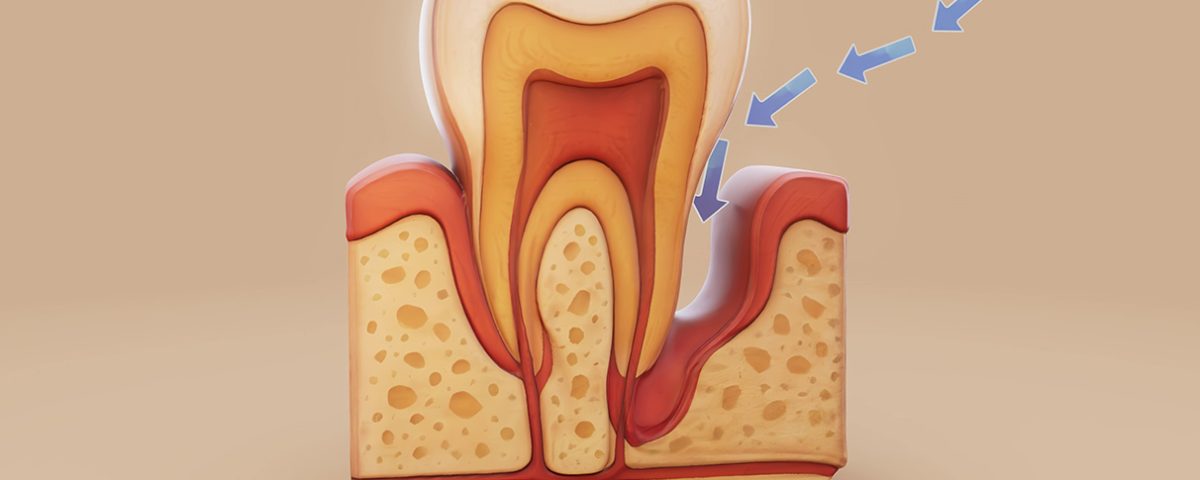
Tooth enamel is the hard outer surface of your teeth, helping protect the more sensitive layers underneath. Over time, repeated exposure to acids can gradually wear enamel away—a process known as tooth erosion or enamel erosion.
The tricky part? Some everyday habits may contribute to enamel erosion without you realizing it.
Frequent acidic drinks, constant snacking and even when you brush your teeth can make a difference.
Here’s how to recognize the signs of enamel erosion, what may be causing it, and most importantly, how to help protect your enamel before more damage occurs.
What Is Tooth Enamel Erosion?
Enamel is the hard outer layer that protects each tooth.
Although enamel is extremely strong, acids can gradually dissolve minerals from its surface. When acid exposure happens repeatedly, enamel can become thinner and wear away.
Unlike a broken bone, lost tooth enamel doesn’t simply grow back.
That’s why prevention matters.
Once enamel has significantly worn down, your teeth may become more sensitive, appear more yellow, or become more vulnerable to other dental problems.
Regular dental exams and preventive care can help your dental team identify changes in your teeth before they become more noticeable. Coquitlam Centre Dental includes dental exams and cleanings within its general and preventive care services.
What Does Enamel Erosion Look or Feel Like?
Early enamel erosion isn’t always obvious.
As it progresses, you may notice:
- Increased sensitivity to hot or cold foods
- Sensitivity when eating sweets
- Teeth appearing more yellow
- Smooth or shiny areas on the teeth
- Changes around the edges of teeth
- Small indentations or worn areas
- Increased sensitivity when brushing
Yellowing doesn’t necessarily mean your teeth are dirty.
As enamel becomes thinner, more of the naturally yellowish dentin underneath can become visible.
If you’ve noticed a significant change in the colour, shape or sensitivity of your teeth, it’s worth mentioning at your next dental examination.
1. Sipping Acidic Drinks Throughout the Day
Coffee often gets blamed for staining teeth, but when it comes to enamel erosion, acid exposure is another consideration.
Soft drinks, energy drinks, sports drinks, citrus drinks and some flavoured beverages can be acidic.
How often you expose your teeth to acid can matter, too.
For example, slowly sipping an acidic drink over several hours repeatedly exposes your teeth rather than limiting that exposure to a shorter period.
A better habit:
Try drinking acidic beverages with meals rather than continuously throughout the day, and drink water afterward.
Water can help rinse away acids and food particles while giving your mouth a chance to return toward its normal environment.
2. Brushing Immediately After Something Acidic
You finish your morning orange juice and immediately brush your teeth.
Sounds responsible, right?
Not necessarily.
Acidic foods and drinks can temporarily soften the enamel surface. Brushing immediately afterward may add unnecessary mechanical wear while the enamel is in that softened state.
Instead, rinse your mouth with water and give your saliva time to help neutralize the acids before brushing.
Your dentist or hygienist can recommend a brushing routine appropriate for your individual oral health.
3. Constant Snacking
It’s not only what you eat that matters.
How frequently you eat can matter too.
Every time you consume certain foods or drinks, conditions inside your mouth change. Frequently grazing throughout the day can mean your teeth have fewer breaks between exposures.
Instead of constantly snacking, try giving your mouth some time between meals and snacks when practical.
And don’t forget one of the simplest habits available:
Drink water.
Lemon water may seem like a healthier alternative to soft drinks, but lemons are acidic.
4. Using Lemon Water as an All-Day Drink
Having lemon in water occasionally isn’t the same thing as continuously sipping concentrated lemon water throughout the entire day.
The concern is repeated acid exposure.
If lemon water is part of your routine:
- Avoid holding or swishing it around your teeth
- Consider drinking it with a meal
- Rinse with plain water afterward
- Avoid brushing immediately afterward
You don’t necessarily have to eliminate acidic foods from your diet. The goal is to reduce unnecessary and prolonged exposure.
5. Trying Acidic DIY Teeth-Whitening Hacks
Some home-whitening trends recommend ingredients such as lemon juice or apple cider vinegar.
The logic may sound appealing: acids can alter surface stains.
But your enamel is far more valuable than a temporary change in appearance.
Repeated exposure to acidic substances can contribute to enamel erosion, and thinner enamel may eventually make the yellower dentin underneath more visible.
That means an aggressive DIY attempt to make your teeth look whiter could ultimately work against the appearance you’re trying to achieve.
If whitening is your goal, read our guide to How to Whiten Teeth Naturally: What Actually Works? before experimenting with DIY whitening methods.
6. Ignoring Teeth Grinding
Acid isn’t the only thing that can contribute to tooth wear.
Grinding or clenching your teeth can place considerable mechanical stress on them. Over time, this can contribute to worn biting surfaces, small cracks, sensitivity and other changes.
Some people grind their teeth while sleeping and don’t realize they’re doing it.
Possible clues include:
- Waking with jaw soreness
- Morning headaches
- Flattened or worn teeth
- Chipped teeth
- Increased tooth sensitivity
- A partner hearing you grind at night
If you suspect you’re grinding your teeth, mention it during your next dental examination so your dentist can assess your teeth and discuss whether treatment may be appropriate.
7. Ignoring Frequent Acid Reflux
Not all acids that reach your teeth come from food and drinks.
Stomach acid can also come into contact with teeth in people who experience frequent acid reflux or vomiting.
Because the source is internal, simply avoiding acidic beverages won’t address the underlying problem.
If you regularly experience reflux, speak with an appropriate healthcare professional about the underlying cause and mention it to your dentist as well.
Your dental team can look for signs of erosion and recommend strategies to help protect your teeth.
Can Tooth Enamel Grow Back?
This is an important distinction.
Enamel that has physically worn away cannot simply regenerate itself.
However, very early mineral loss at the enamel surface can sometimes be supported through a process called remineralization.
Saliva naturally plays an important role in this process, while fluoride can help strengthen enamel and make it more resistant to acid.
That’s one reason brushing regularly with an appropriate fluoride toothpaste remains such an important part of preventive dental care.
Once enamel loss becomes more advanced, dental treatment may be needed to protect the tooth or restore areas that have been damaged.
How Can You Help Protect Your Tooth Enamel?
You don’t need a complicated routine.
Start with the basics:
- Brush twice daily using fluoride toothpaste
- Clean between your teeth regularly
- Drink plenty of water
- Limit frequent exposure to acidic beverages
- Avoid swishing acidic drinks around your mouth
- Don’t brush immediately after consuming something highly acidic
- Avoid aggressive DIY whitening remedies
- Keep up with regular dental examinations
Most importantly, pay attention when your teeth start feeling different.
Sensitivity, changes in colour and visible wear aren’t things you necessarily need to diagnose yourself.
A dental examination can help determine what’s actually happening.
When Should You See a Dentist About Enamel Erosion?
Consider making an appointment if you notice:
- New or increasing tooth sensitivity
- Teeth becoming noticeably more yellow
- Changes in tooth shape
- Chipped or worn edges
- Small indentations on tooth surfaces
- Pain when eating hot, cold or sweet foods
- Signs that you may be grinding your teeth
These symptoms don’t automatically mean you have enamel erosion. Several dental conditions can cause similar symptoms, which is why an examination is important.
Coquitlam Centre Dental provides a range of general, preventive, restorative and specialty dental services depending on what an examination finds.
The Bottom Line: Prevention Is Easier Than Replacing Lost Enamel
Protecting your enamel doesn’t mean giving up coffee, citrus fruit or every acidic food you enjoy.
It’s more about understanding frequency, timing and everyday habits.
Continuously sipping acidic drinks, brushing immediately after acid exposure, frequent snacking and experimenting with acidic DIY whitening remedies can all be habits worth reconsidering.
A few simple changes can help:
Drink water. Give your teeth breaks between acid exposure. Brush gently with fluoride toothpaste. And keep up with regular dental care.
Because when it comes to enamel, protecting what you already have is much easier than dealing with significant wear later.
Concerned About Tooth Sensitivity or Enamel Wear?
If your teeth have become more sensitive, changed colour or simply don’t feel the way they used to, you don’t have to figure out the cause yourself.
At Coquitlam Centre Dental, our dental team can examine your teeth and gums, look for signs of enamel wear and help you understand the next steps for maintaining your oral health. The clinic provides comprehensive family dental care from its location inside Coquitlam Centre.
Our clinic is conveniently located inside Coquitlam Centre at 1244-2929 Barnet Highway.
Book an appointment or call 604-464-1511 to speak with our team.
This article is intended for general educational purposes and is not a substitute for individualized dental or medical advice.